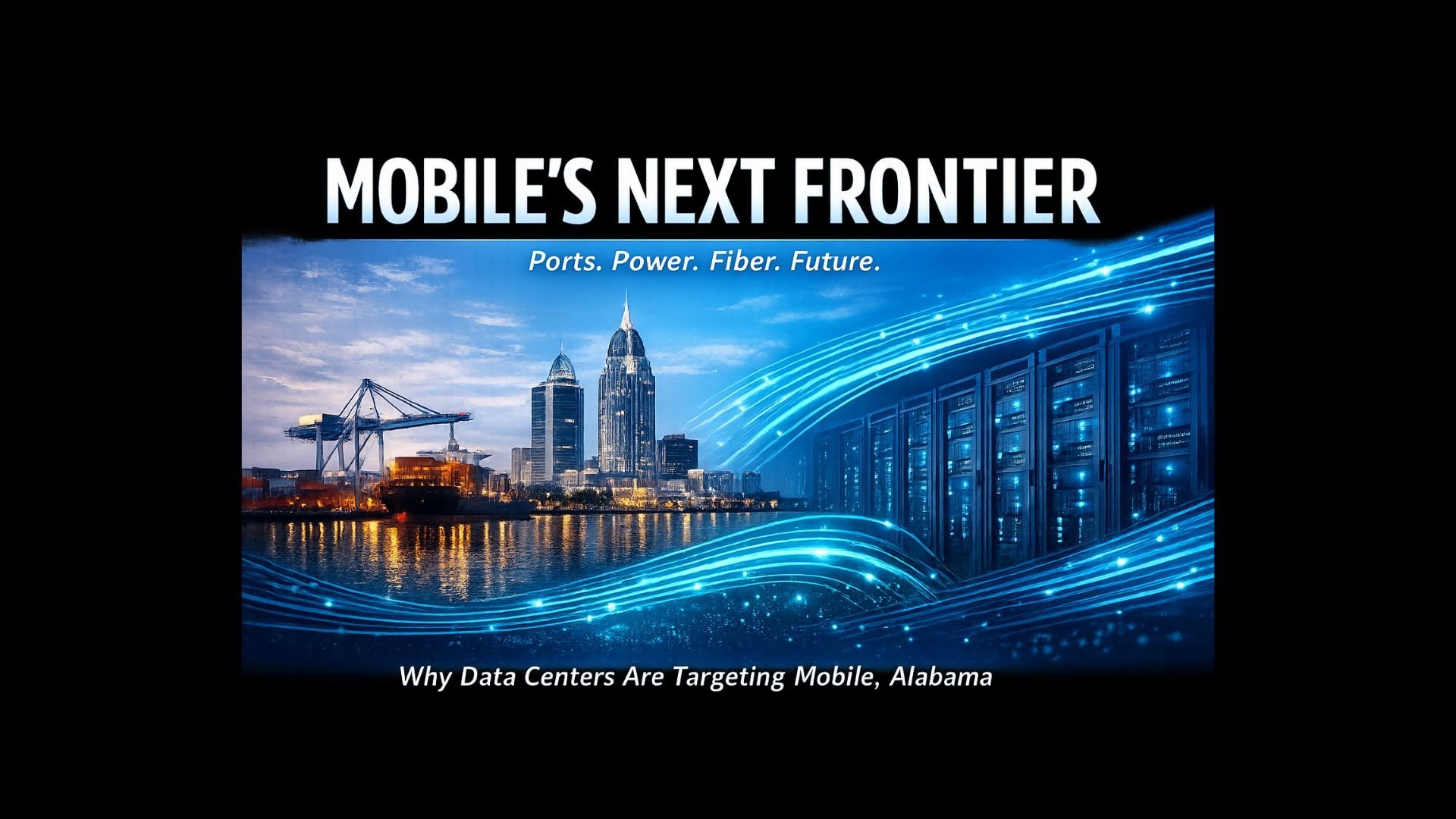
Why Data Centers Are Targeting Mobile, Alabama — And What It Means for Local Communities Like Africatown
When most people think of data centers, they picture rows of blinking servers in faraway tech hubs. But increasingly, companies are looking toward Mobile and the Gulf Coast as potential locations for the next generation of digital infrastructure.
From streaming your favorite show to storing family photos in the cloud, nearly every online activity relies on data centers. As demand for artificial intelligence, cloud computing and digital services grows, so does the need for facilities capable of housing enormous amounts of computing power.
For Mobile, that presents both exciting opportunities and important questions.
What Is a Data Center?
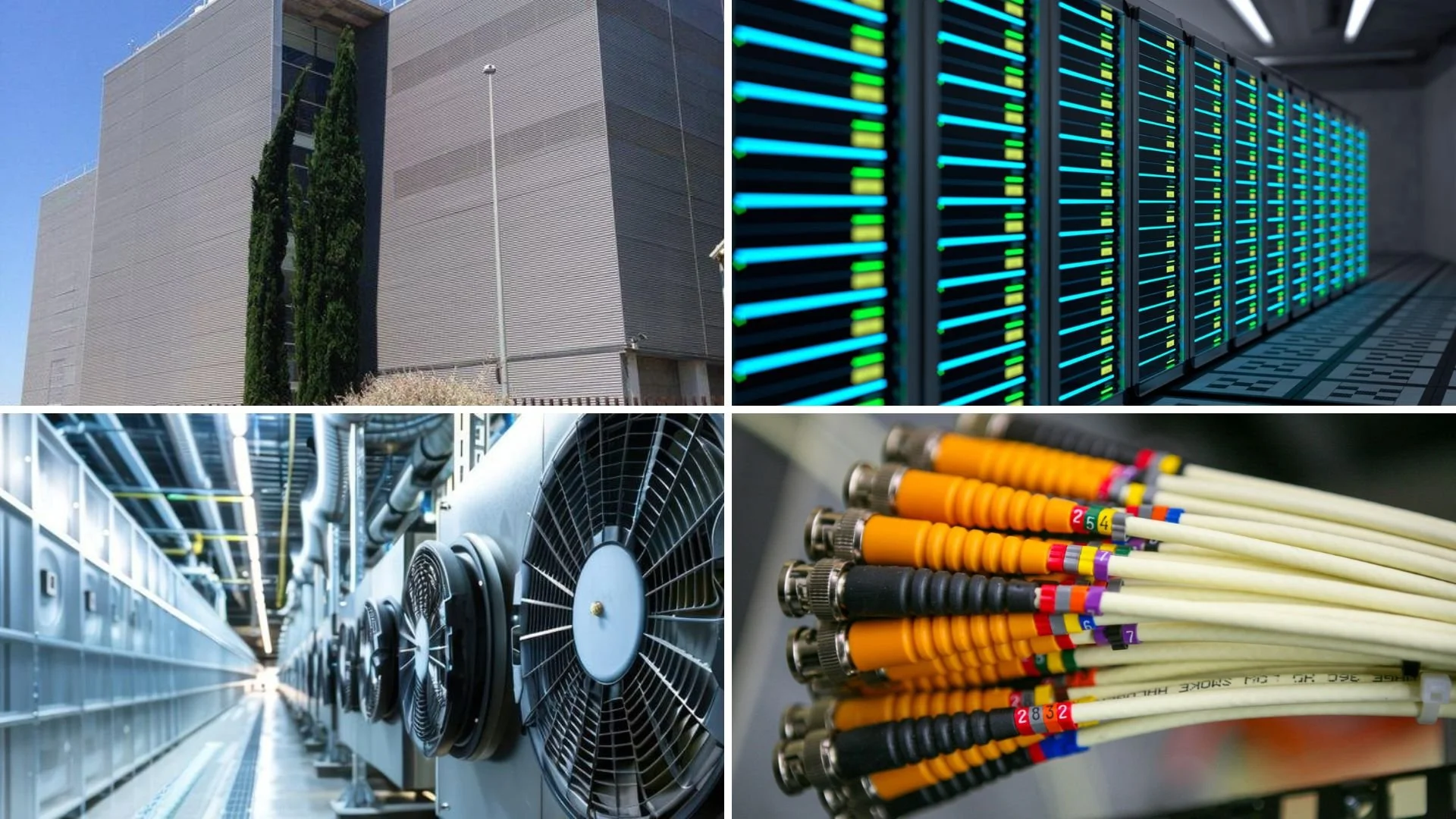
A data center is a secure building filled with servers, networking equipment and storage systems that process and store digital information.
They support services such as:
Cloud computing
Artificial intelligence
Online banking
E-commerce
Video streaming
Government operations
Business applications
Many of the world's largest technology companies are investing billions of dollars in new facilities to keep pace with increasing demand.
Why Mobile Is Becoming Attractive
Several factors make Mobile an appealing destination for large-scale technology infrastructure.
1. Strategic Gulf Coast Location
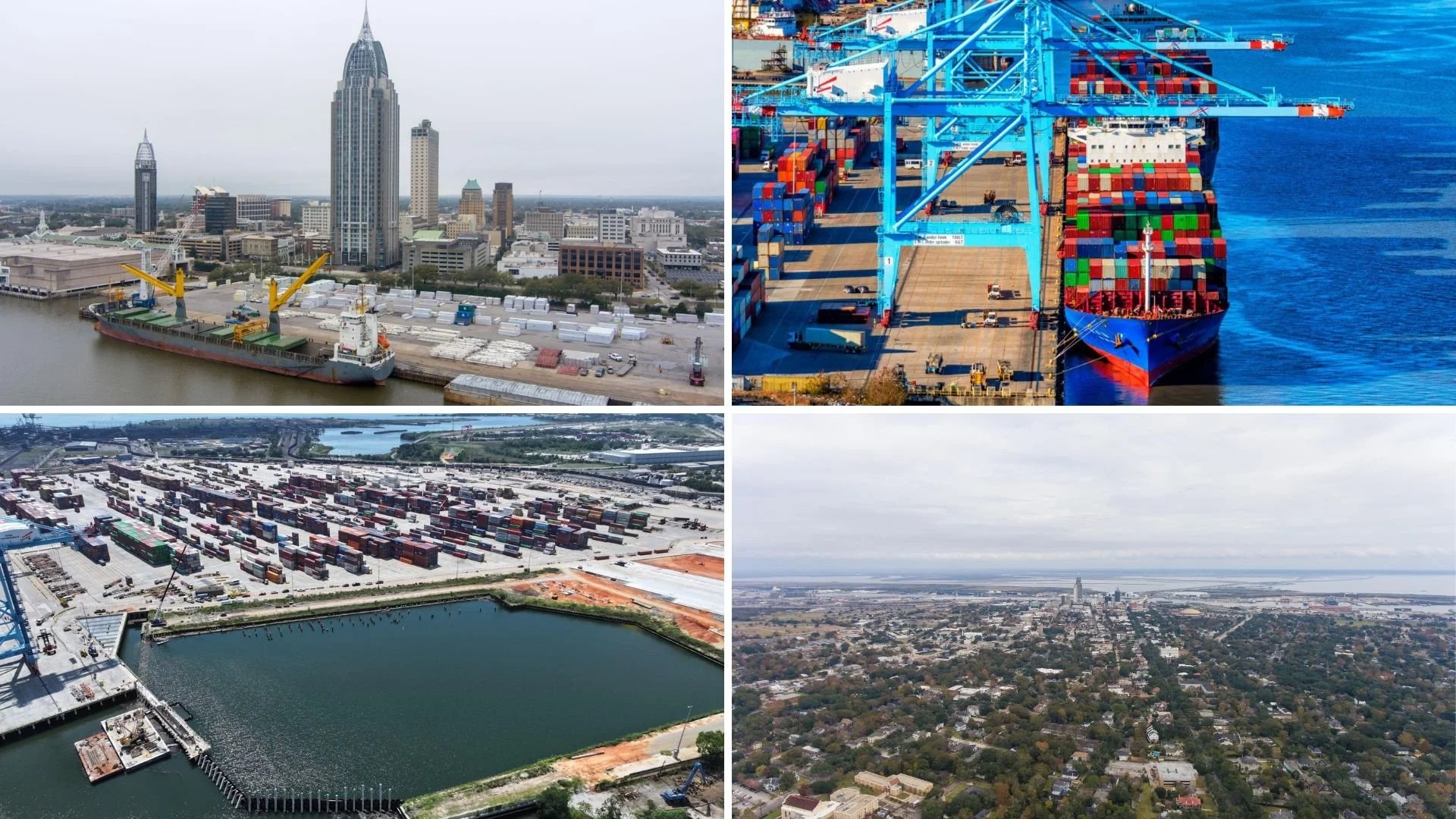
Mobile sits at a transportation crossroads with access to interstate highways, rail lines, port facilities and international connectivity through the Port of Mobile. That geographic position can simplify logistics for construction and ongoing operations.
2. Growing Fiber Connectivity
Modern data centers depend on robust fiber-optic networks. Continued investment in broadband and telecommunications infrastructure across the Gulf Coast improves the region's attractiveness for digital businesses.
3. Available Land
Compared with many major metropolitan areas, Mobile still has parcels large enough for campus-style developments while often offering lower land costs.
4. Reliable Power Potential
Data centers consume enormous amounts of electricity, making access to dependable power infrastructure a major consideration. Areas capable of supporting high-capacity electrical service are especially attractive.
5. Natural Disaster Planning
Although Gulf Coast weather must be considered, modern facilities are engineered with extensive redundancy, backup power and resilience measures designed to maintain operations during disruptions.
What It Could Mean for Local Residents
Economic Growth
Construction projects can generate jobs for contractors, engineers, electricians and suppliers. Once operational, facilities may employ technicians, security personnel, maintenance staff and IT professionals.
The indirect effects can also include increased demand for hotels, restaurants, transportation services and local vendors.
Infrastructure Improvements
Major investments often encourage upgrades to roads, utilities, electrical systems and broadband networks that can have benefits extending beyond the project itself.
Tax Revenue
Depending on local agreements and incentive structures, successful developments may contribute to local tax bases that support public services and community investments.
Why Communities Like Africatown Pay Close Attention
Communities near proposed industrial or infrastructure projects frequently have questions about long-term impacts.
For Africatown, a historically significant community founded by survivors of the slave ship Clotilda, residents may understandably seek transparency regarding:
Land use and future development
Environmental considerations
Electricity and water demands
Traffic and construction impacts
Local hiring opportunities
Preservation of cultural and historical resources
Meaningful community engagement can help ensure residents understand proposed projects and have opportunities to voice priorities and concerns.
Challenges Worth Considering
While data centers can bring investment, they also present tradeoffs:
High energy consumption: Facilities may require substantial electrical capacity.
Water use: Some cooling technologies consume significant water, though designs vary.
Limited permanent employment: Construction creates many temporary jobs, but completed facilities often operate with relatively small staffs compared with factories of similar size.
Land-use changes: Large campuses can alter surrounding development patterns and property values.
Balancing economic opportunity with environmental stewardship and neighborhood interests is an important part of local planning.
The Bigger Picture for Mobile
Mobile has long been known for its port, manufacturing, aerospace and maritime industries. The addition of digital infrastructure could further diversify the regional economy and position the city for growth in cloud computing and artificial intelligence.
If thoughtfully planned, data centers could complement existing strengths while attracting related technology investment and skilled workers.
For residents, the key questions are not just whether these projects arrive, but how they integrate with the community and how broadly their benefits are shared.
Final Thoughts
As the digital economy expands, cities that combine available land, improving connectivity and supportive infrastructure are drawing increased attention from major investors. Mobile has many of those characteristics.
For neighborhoods such as Africatown and the wider Mobile community, staying informed and engaged will be essential. The conversation is about more than servers and cables—it is about shaping growth in a way that respects local history, supports residents and prepares the region for the future.
Suggested call to action for MōBēL! USA:
At MōBēL! USA, we believe the future of our city should be built with innovation, transparency and community in mind. As Mobile grows, we'll continue highlighting the stories, opportunities and conversations that matter most to the people who call this place home.





• 100% cotton corduroy
• Soft, unstructured crown
• Cotton twill sweatband and taping
• Adjustable buckle